3 Ways to Identify Switching Power Supplies

In the world of LED lighting, many people focus on the strips themselves—lumens, color temperature, and CRI. But there’s one component that quietly determines how long your entire setup will last: the power supply.
A poor-quality switching power supply doesn’t just underperform—it puts your whole project at risk. Whether you’re lighting up a kitchen, a hotel lobby, or an entire signage display, these are the three biggest signs you might be using a bad power supply—and why that matters more than you think.
1. Cheap Electronic Capacitors: The “Time Bomb” Inside the Switching Power Supply
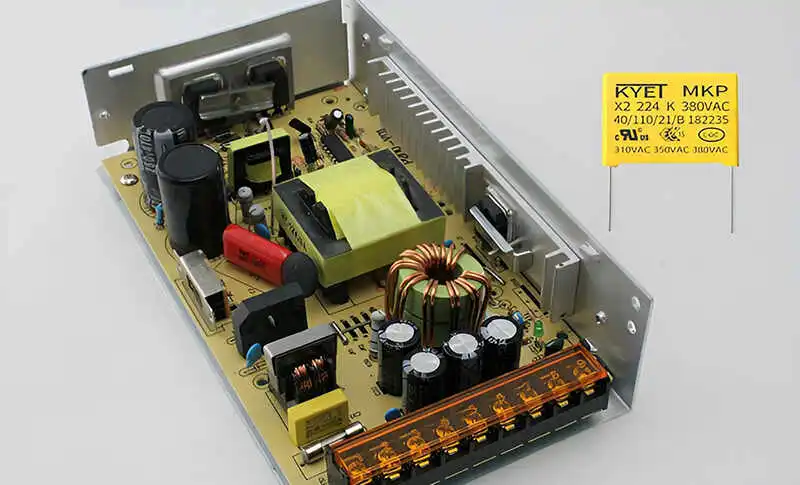
Electrolytic capacitors are one of the most common culprits behind the failure of switching power supply (Switch Mode Power Supply) in LED lights. These capacitors are essential for smoothing voltage, but when they degrade, they can cause a range of issues, from flickering and dimming to complete failure of the light.
If you’ve ever noticed your LED lights flickering, becoming unexpectedly dim, or stopping altogether shortly after installation, the issue might stem from poor-quality electrolytic capacitors. These low-grade components can fail within a few days of operation, often showing visible signs such as bulging or leakage, especially under high temperatures or humid conditions. Once compromised, the power supply can no longer regulate the voltage properly, leading to instability or failure of the system.
On the other hand, high-quality power supplies use industrial-grade capacitors, designed to withstand higher temperatures and extended usage. These components provide better voltage stability and a longer lifespan, ensuring that your LED lighting system operates smoothly and efficiently for years to come. When choosing an LED power supply, opting for one with superior capacitors will not only improve reliability but also help prevent common issues associated with poor-quality units.
2.Fake or Underrated MOSFETs: The Silent Killers
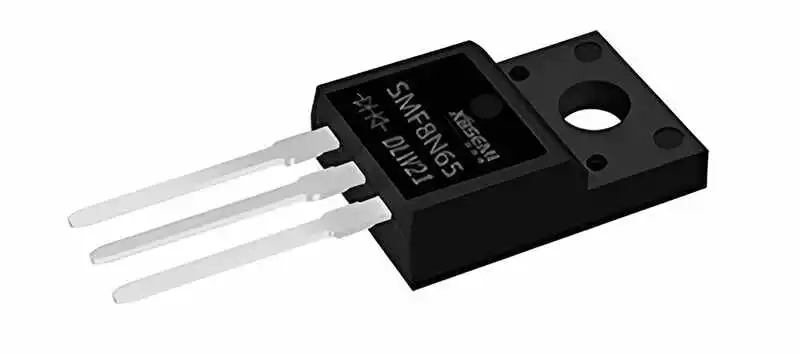
The second critical factor in identifying quality issues in switching power supply (SMPS) relates to the selection of MOSFETs (Metal-Oxide-Semiconductor Field-Effect Transistors).
Choosing the right MOSFET for DC/DC controllers involves more than simply meeting voltage and current specifications. It requires balancing low gate charge and low on-resistance to keep the MOSFET within its operational limits.
Unfortunately, some low-cost manufacturers deceive customers by overstating MOSFET ratings. For example, a MOSFET labeled as “650V-rated” may fail when exposed to voltages as low as 450V during power surges or load spikes. High-quality power supplies use MOSFETs with genuine voltage tolerance, ensuring stability under real-world conditions. Always verify component certifications and avoid relying on exaggerated claims.
3. Fake Fuses: A False Sense of Security
The third crucial indicator of quality issues in switching power supplies is the use of counterfeit fuses. These fake fuses may appear similar to genuine components and often bear fake approval marks like BSI or ASTA. However, they lack proper internal features, such as sand fillers, and may have poorly secured metallic end-caps or bent fuse elements. The Department of Trade & Industry Standards & Technical Regulations Directorate (STRD6) reports that counterfeit fuses in plugs could cause dangerous failures, potentially leading to explosions. Authentic fuses are carefully constructed with a fusible wire and sand filler, ensuring safe operation under fault conditions.

Conclusion
In conclusion, identifying quality issues in switching power supply requires a systematic approach focusing on three key components: electronic capacitors, MOSFETs, and fuses. By examining capacitors for physical signs of failure, understanding MOSFET specifications to avoid misrepresentations, and recognizing counterfeit fuses, users can make informed decisions about power supply quality. This knowledge not only helps in selecting reliable power supplies but also in diagnosing issues when they occur. Knowing how to repair your switching power supply provides great satisfaction because they are devices that fail a lot and are relatively easy to fix