Illuminance vs. Luminance: Understanding LED Strip Lighting Brightness
When designing an LED lighting system, many people focus on brightness without fully understanding the key factors that influence it. Two crucial but often confused concepts in lighting are illuminance and luminance. While both relate to how we perceive light, they measure different aspects of brightness and play distinct roles in lighting design.
Understanding the relationship between illuminance and luminance is critical for selecting the right product for your specific needs. Whether you’re designing decorative, linear, architectural, residential, or commercial lighting, knowing how to balance these factors ensures the best visual and functional results.
In this guide, we’ll break down the differences between these two lighting concepts and how to apply them effectively in LED strip lighting projects.
What Is Illuminance?
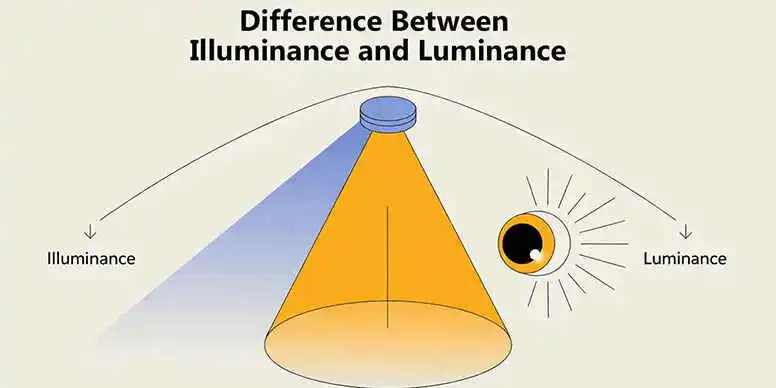
Illuminance refers to the total amount of light that falls onto a given surface. It is measured in lux (lx), which represents lumens per square meter. The higher the illuminance, the more light is delivered to the surface, making it brighter and more visible.
For example, in an office, the recommended illuminance level is around 500 lux, ensuring a comfortable and productive workspace. In contrast, a decorative LED strip used for ambient lighting may provide as little as 50 to 100 lux, creating a softer and more relaxing atmosphere. Understanding these reference points helps in planning appropriate lighting solutions for different environments.
Factors that influence illuminance include:
- The light source’s output (lumens) – A higher lumen output means more potential illuminance.
- Distance from the surface – Light intensity decreases as the distance from the source increases.
- Beam angle and diffusion – Narrow beam angles concentrate light, increasing illuminance, while wider angles spread light more evenly.

What Is Luminance?
Luminance, on the other hand, refers to the amount of light that is reflected or emitted from a surface and into the viewer’s eyes.It is the physical quantity most closely related to human perception of brightness. It is measured in candelas per square meter (cd/m²), also known as nits.
Luminance is what we see as “brightness.” Even if two surfaces receive the same illuminance, they can appear differently based on how much light they reflect. For instance:
- A white glossy countertop will appear much brighter than a dark matte surface under the same LED strip.
- A TV screen with high luminance remains visible even in daylight, while a lower-luminance display might look washed out.
Key factors affecting luminance include:
- Material and surface finish – Glossy surfaces reflect more light, increasing luminance, while matte finishes absorb more light, reducing brightness.
- Viewing angle – The perceived brightness of an LED strip changes depending on the angle at which it is viewed.
- LED strip quality – High-CRI (Color Rendering Index) LED strips can enhance luminance perception by improving color vibrancy.

Illuminance vs. Luminance: What’s the Difference?
Although illuminance and luminance are closely related, they describe different aspects of light and influence how we perceive brightness in an environment. Understanding their distinctions is crucial for designing effective LED lighting solutions, whether for architectural, decorative, or commercial applications.
1. Illuminance Measures Light Falling on a Surface, While Luminance Measures Light Emitted or Reflected
The primary distinction between illuminance and luminance is their point of measurement.
Illuminance (lux) refers to the total amount of light that lands on a given surface. It quantifies how well-lit a surface is, regardless of how it appears to the human eye.
Luminance (cd/m² or nits) describes how much of that light is reflected or emitted by the surface, making it visible to an observer.
2. Illuminance is an Environmental Factor; Luminance is a Perceptual Factor
Illuminance is a purely physical measurement—it depends on the light source, its intensity, distance, and how evenly the light is distributed. You can measure it with a lux meter, and it remains consistent regardless of who is observing the scene.
Luminance, however, is a perceptual phenomenon. It varies based on Surface material and texture, Viewing angle, and contrast and surroundings .
3. Illuminance Follows the Inverse Square Law, While Luminance is Surface-Dependent
Illuminance follows the inverse square law, meaning that as the distance from the light source doubles, the illuminance decreases to one-quarter of its original value. This is why LED strips appear dimmer the farther they are from a surface.
Luminance, on the other hand, depends on how the surface interacts with the light. A polished marble floor and a dark carpet might receive the same illuminance, but the marble will appear significantly brighter because it reflects more light.
4. Illuminance is Used for Lighting Design; Luminance is Used for Visibility and Aesthetics
Lighting designers focus on illuminance to ensure a space meets functional brightness requirements. For example:
- A workspace might need 500 lux for comfortable reading.
- A retail store might require 750 lux to highlight products effectively.
- A decorative LED cove light may only need 50-150 lux to create a soft ambiance.
Meanwhile, luminance is a critical factor in applications where visibility and contrast matter, such as:
- Display screens – A smartphone screen must have high luminance to remain visible in daylight.
- Signage and architectural lighting – Bright LED signs rely on high luminance for readability at night.
- Theater and stage lighting – Luminance affects how well actors or objects stand out under spotlights.
Optimizing LED Lighting with Illuminance and Luminance
Achieving the perfect balance between illuminance and luminance is essential for creating effective, visually comfortable, and energy-efficient lighting environments. Whether you’re designing task lighting for precision work or ambient lighting for relaxation, understanding how these two factors interact can significantly enhance the outcome.
1. Application-Specific Strategies
Different lighting applications require different levels of illuminance and luminance. For example, in task-oriented areas like kitchens or offices, higher illuminance is essential to ensure visibility and precision. However, too much luminance can lead to glare, which is unpleasant and causes eye strain. In this case, managing luminance through diffusers or indirect lighting ensures the light is soft yet effective.
For ambient or mood lighting, such as in living rooms or dining areas, lower levels of illuminance combined with softer luminance can create a relaxed and welcoming atmosphere. Here, it’s more about creating a soothing environment without overwhelming brightness, with the goal being to enhance comfort without sacrificing visibility.
2. Light Efficiency
LED strip lighting is highly efficient, and optimizing both illuminance and luminance can enhance not only the aesthetic appeal of the space but also the energy efficiency of the lighting. High Efficiency (lm/W) LED strips, for instance, provide more light with less energy consumption, making them a great choice for both functionality and sustainability.
3. Optimizing for Visual Comfort
Luminance is a key factor in ensuring the lighting in your space is both visually comfortable and effective. While illuminance measures the total light falling on a surface, luminance refers to the light that is reflected off that surface and perceived by the human eye. Properly controlling luminance can significantly enhance visual comfort, prevent glare, and reduce eye strain. Here’s how you can optimize luminance for a more pleasant lighting experience: Diffuse the Light, reduce the glare, choose the right beam angle, and Maintain Balanced Contrast.
4. Customization for Perfect Lighting
One of the main advantages of LED lighting is its flexibility and customization. LED strips can be tailored to suit various lighting needs, allowing for a dynamic combination of both illuminance and luminance. With smart controllers and adjustable settings, users can easily modify the lighting to match changing preferences or functions throughout the day or across different seasons.
Conclusion
When designing LED strip lighting, achieving the right balance between illuminance (the amount of light reaching a surface) and luminance (how bright that surface appears to the human eye) is key to both functionality and aesthetics. By selecting the right LED strip brightness, positioning lights effectively, and considering surface materials, you can create lighting environments that enhance both visibility and ambiance.